Collector Index: Marque Chapter
Ferrari: Icons, Icona, Special Series & Track-Only
A selective Ferrari chapter spanning landmark icons, the modern LaFerrari coupé and Aperta pair, the Icona programme, four focused Special Series cars and two purpose-built track-only models.
The collector rationale
This Ferrari selection is arranged around distinct collecting ideas: historical icons, the modern supercar sequence, the design-led Icona programme, focused Special Series derivatives and customer track-only programmes. The aim is a coherent collection in which each automobile contributes something different. The Icons heading is an editorial grouping, not a factory classification; it now includes both the LaFerrari coupé and the LaFerrari Aperta to represent the closed and open expressions of Ferrari’s first hybrid halo generation. Track-Only adds the LaFerrari-derived FXX-K Evo and the endurance-prototype 499P Modificata; unlike the road-going SF90 XX Spider, neither is road homologated.
Icons
Historical significance and the modern Ferrari supercar sequence, considered as an editorial collection.
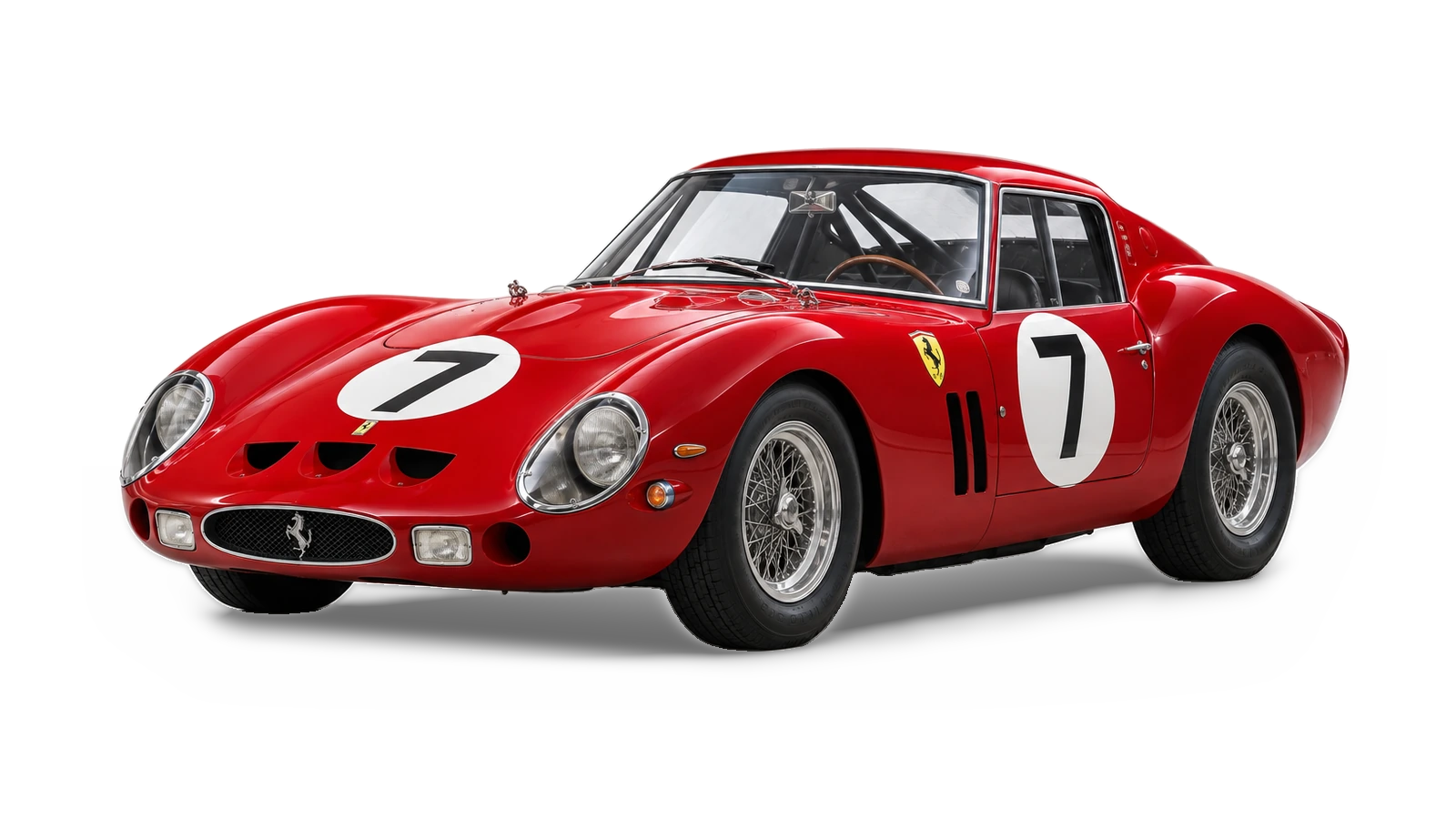
Ferrari 250 GTO
The 250 GTO sits among the most significant competition-derived Ferraris ever created, combining period racing success, extraordinary rarity and a deeply documented collector history.
The 250 GTO anchors this selection in competition history. Its collector significance must be considered at chassis level: period records, ownership, competition use and the history of restoration can be more informative than a model description alone.
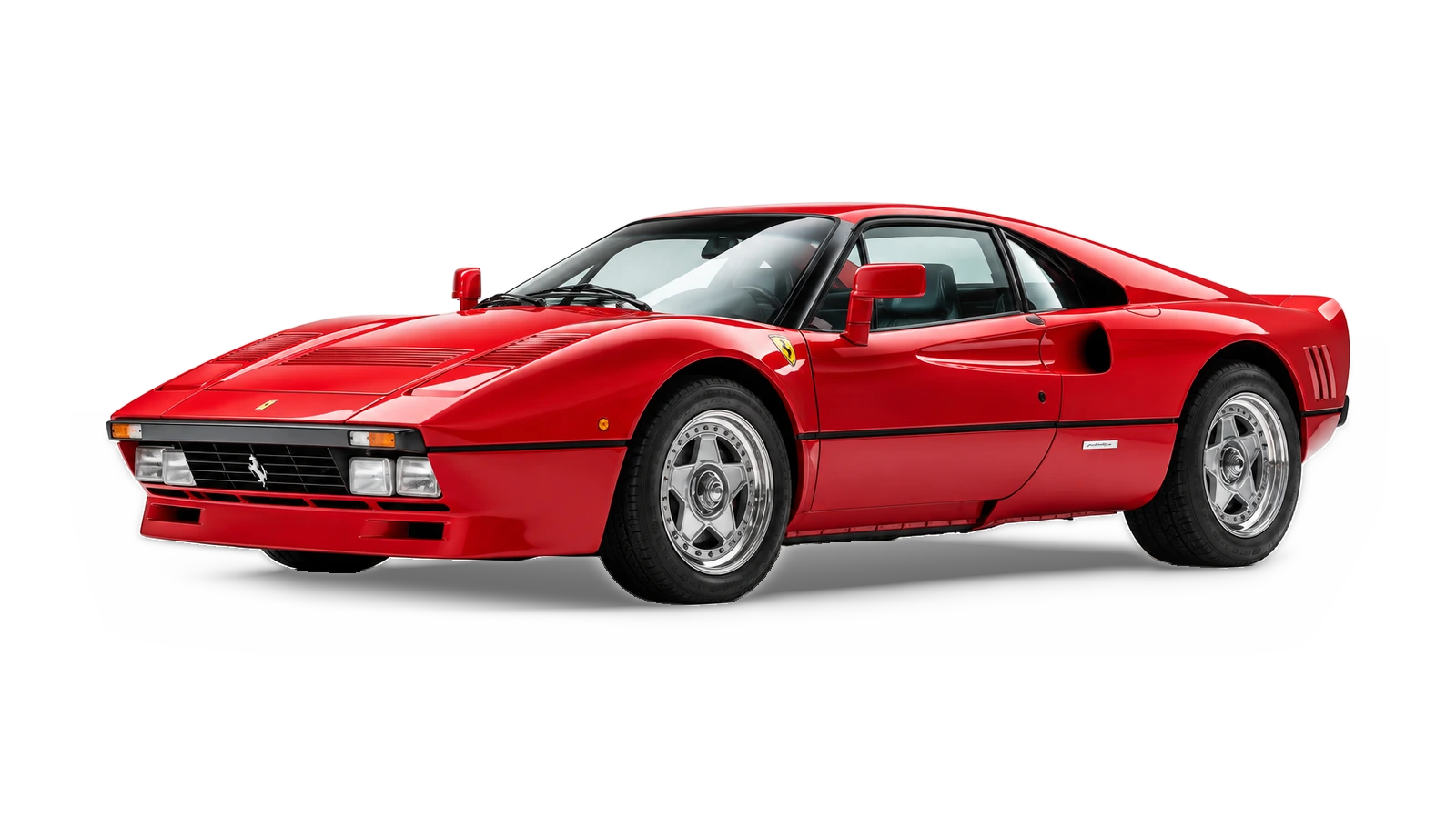
Ferrari 288 GTO
The 288 GTO established the template for Ferrari’s modern limited-production halo lineage and introduced a twin-turbo V8 architecture developed around extreme performance ambitions.
The 288 GTO establishes the opening of the modern supercar sequence in this collection. The quality of an example depends on how convincingly its specification, component identity and history can be reconciled, with specialist examination supporting the documentary record.
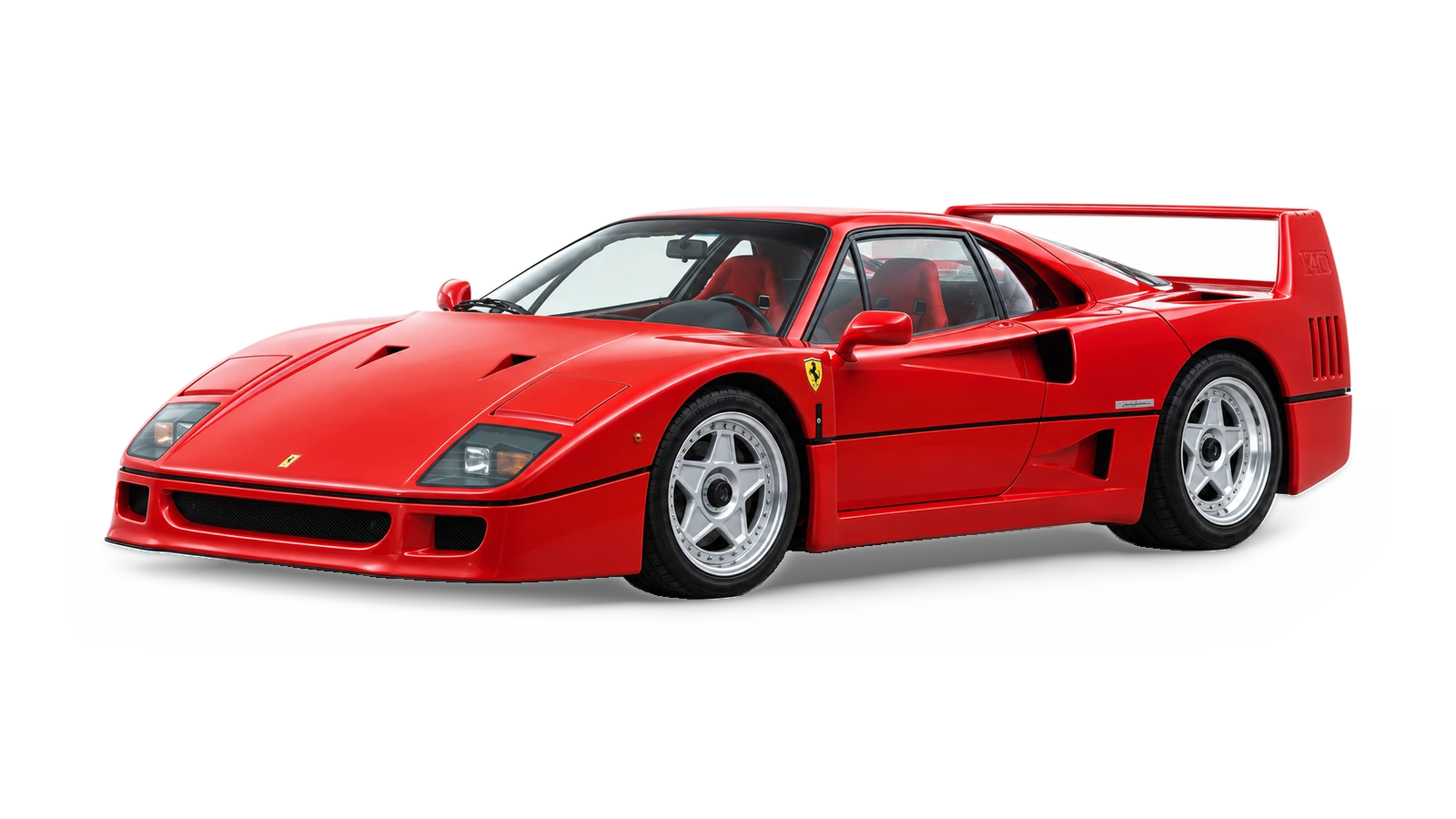
Ferrari F40
The F40 distilled Ferrari’s turbocharged performance philosophy into an uncompromising lightweight road car and became one of the defining supercars of its generation.
The F40 is selected for the directness of its design and driving character. For a collector, originality, evidence of structural repairs, maintenance and the quality of any restoration deserve a measured assessment alongside mileage and cosmetic condition.
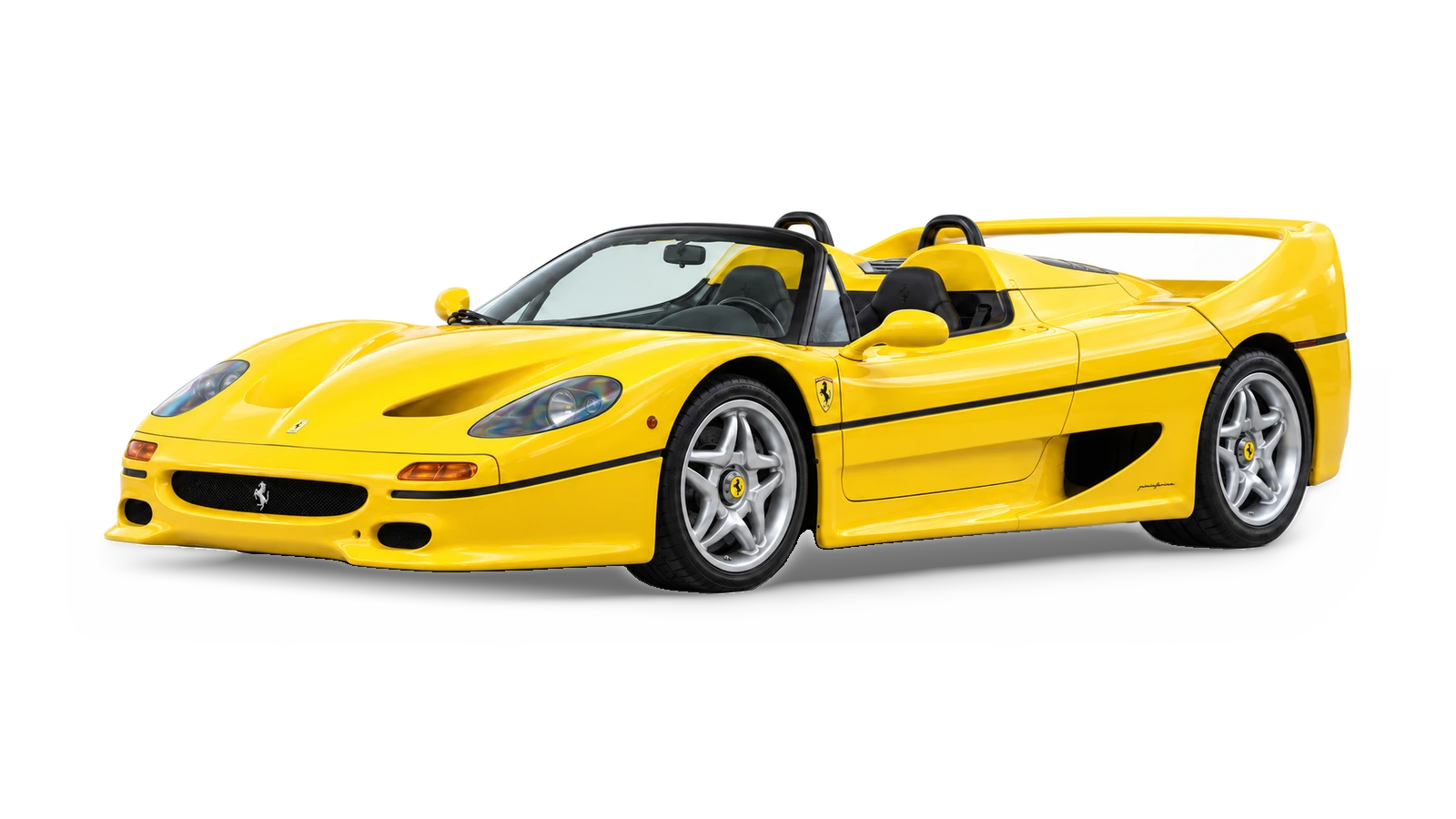
Ferrari F50
The F50 moved Ferrari’s halo philosophy toward a naturally aspirated V12 and a carbon-fibre structure, with a technical narrative closely linked to Formula One thinking of its period.
The F50 gives this sequence a different mechanical and sensory character from its predecessor. The brief should account for completeness, including roof equipment and accompanying items where applicable, and distinguish preservation from a car prepared principally for regular use.
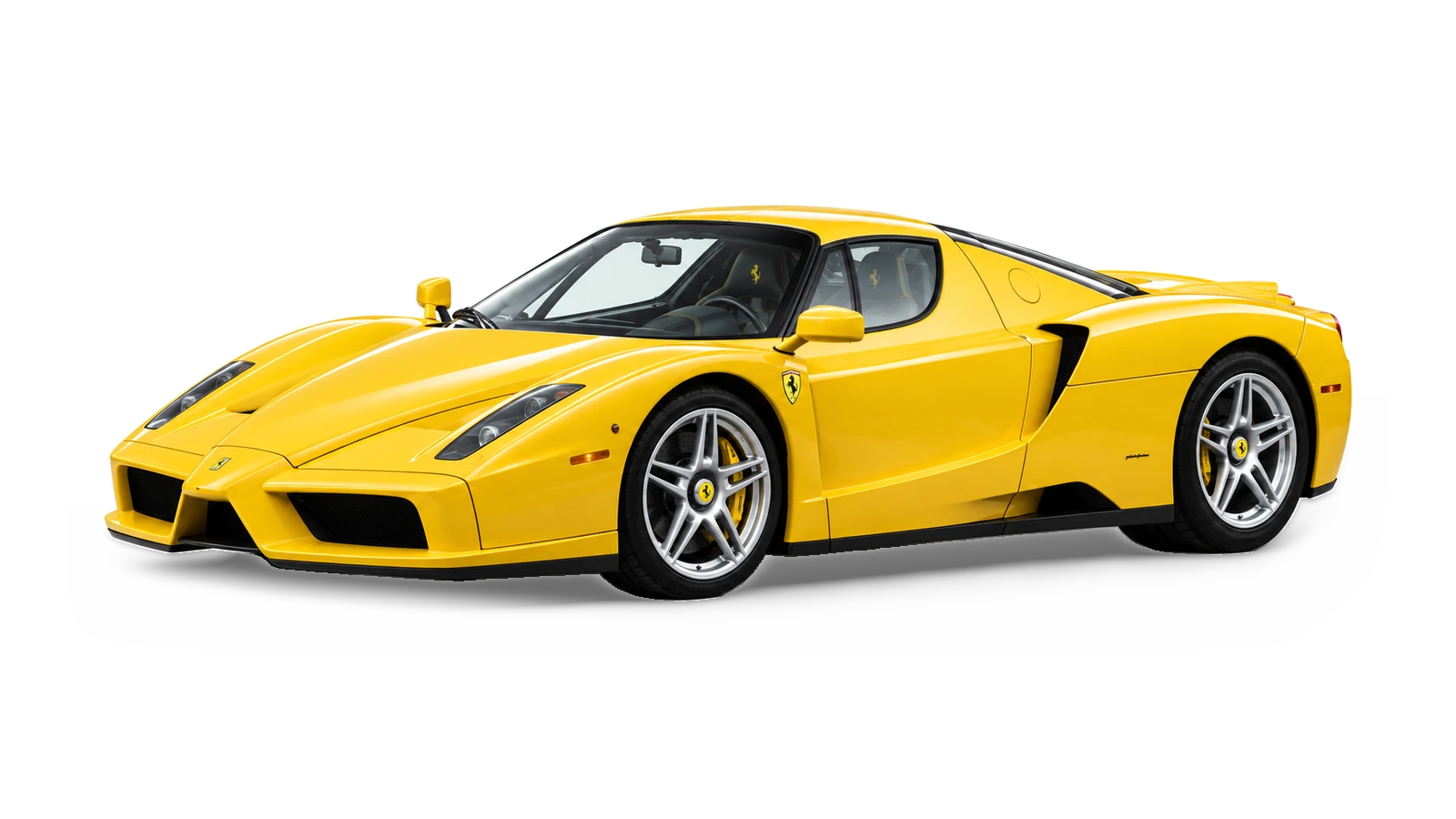
Ferrari Enzo
Named for the company’s founder, the Enzo translated early-2000s Formula One influence into a limited-production road car with a naturally aspirated V12 and carbon construction.
The Enzo is included as a distinct design and engineering chapter between the F50 and the hybrid generation. A carefully documented example should connect its factory configuration with subsequent servicing, repairs and any changes, rather than relying on low mileage as a proxy for condition.
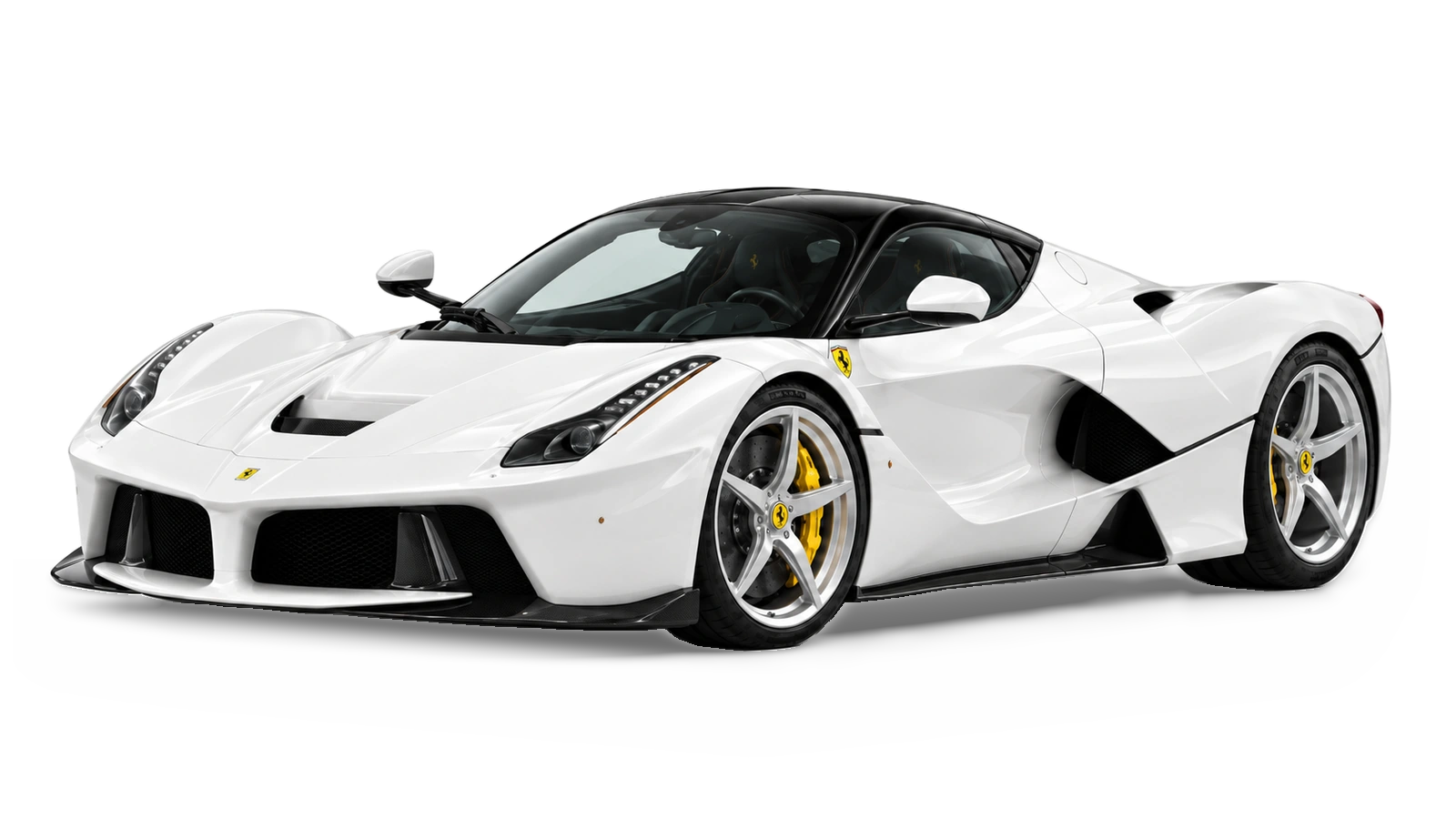
Ferrari LaFerrari
The LaFerrari introduced Ferrari’s first road-going hybrid halo architecture in a limited-production coupé that remains central to modern Ferrari collecting.
In Bianco Avus, the LaFerrari coupé is widely understood to be one of around ten examples finished in this colour. Selection should balance factory specification, provenance, hybrid-system history and the integrity of the individual car.
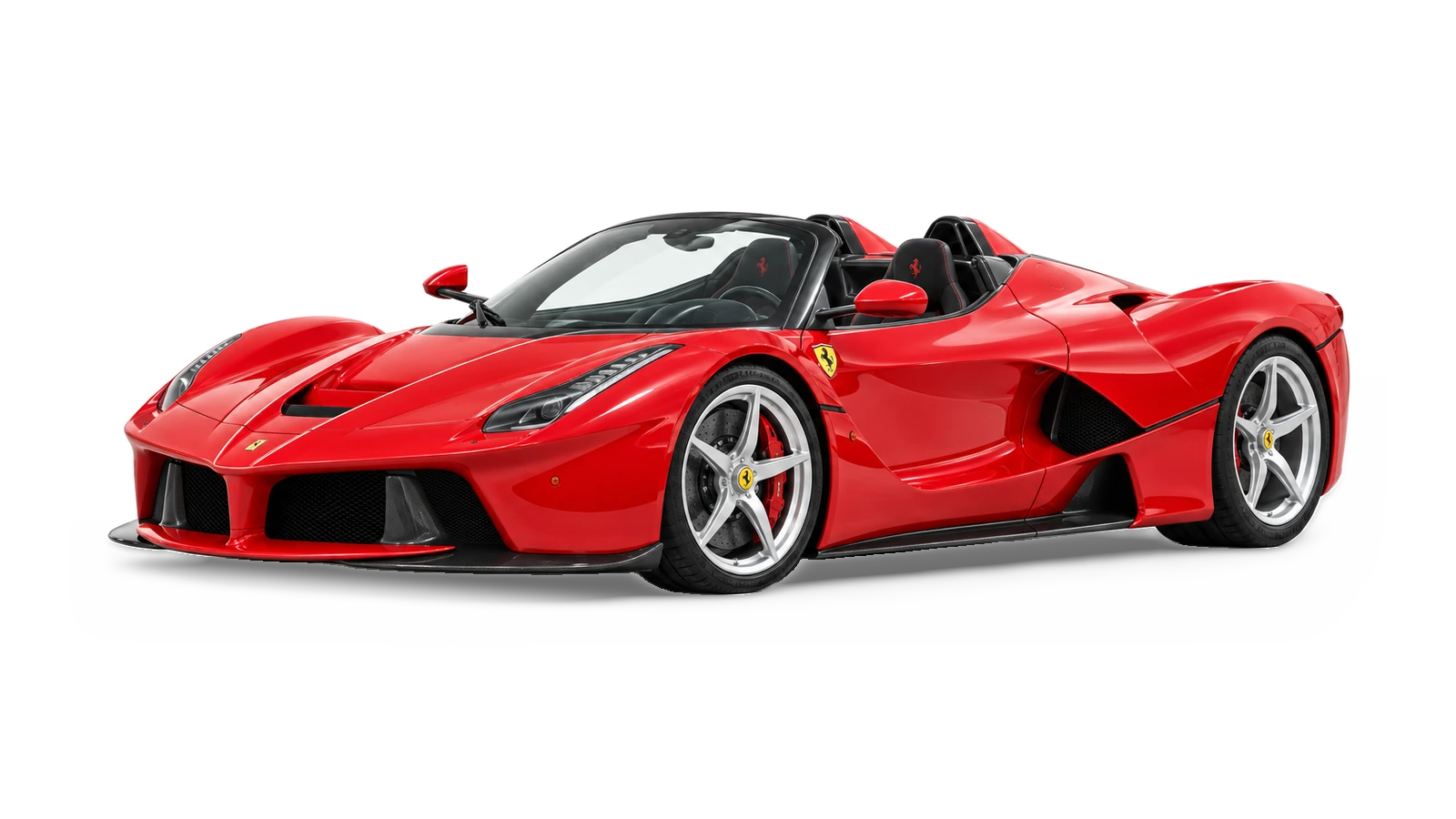
Ferrari LaFerrari Aperta
The LaFerrari Aperta takes Ferrari’s first hybrid halo architecture and places it in an exceptionally scarce open configuration.
The Aperta adds the open-air interpretation of this generation to the collection. Selection should consider the individual specification, roof equipment, service record and specialist assessment of the hybrid system, with intended use helping define the right example.
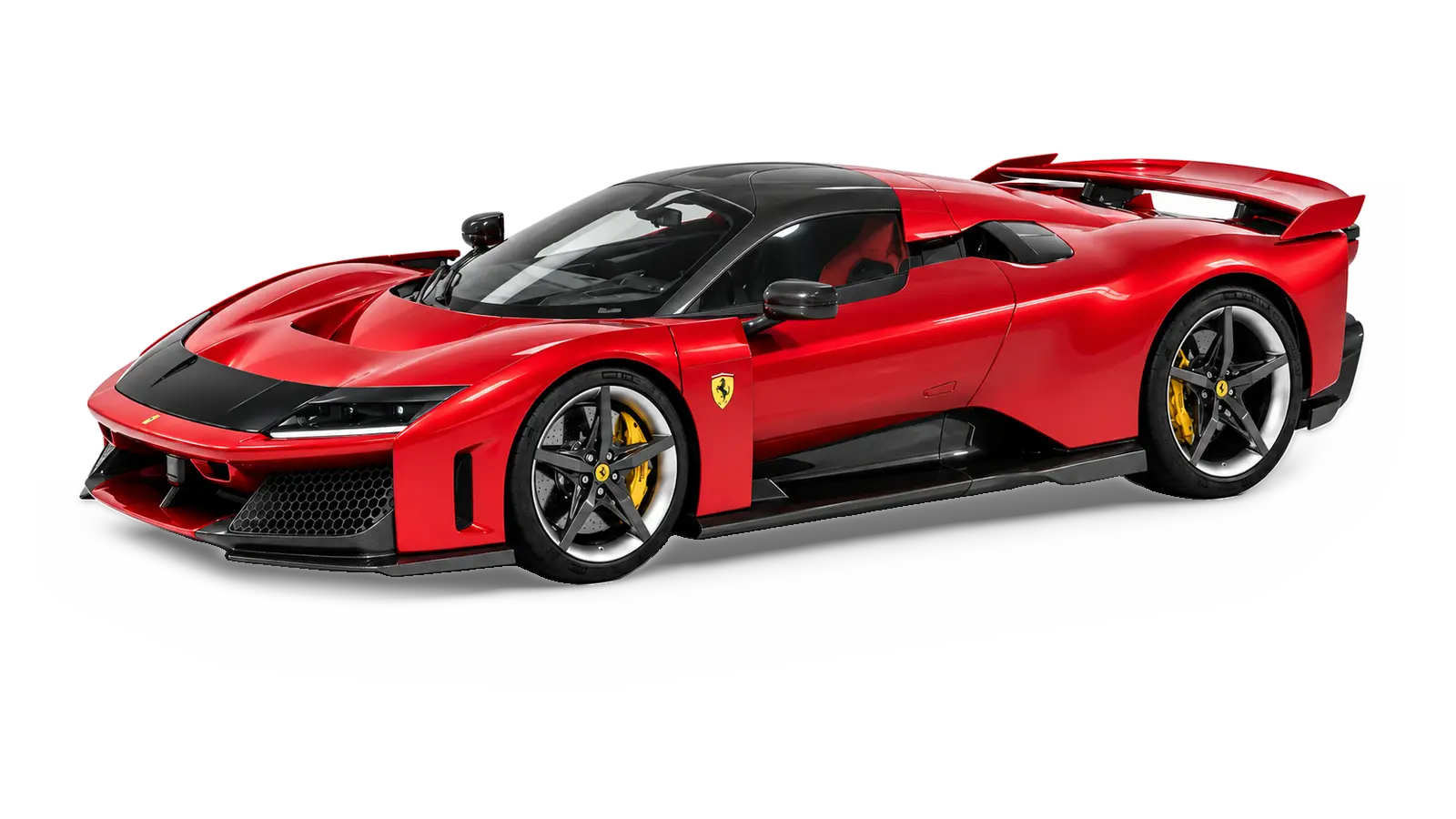
Ferrari F80
The F80 continues Ferrari’s limited-series supercar lineage with a 1,200 cv hybrid powertrain and a production run announced at 799 examples.
The F80 extends the editorial supercar sequence into a new generation. For a collector, the relevant questions begin with the identity and status of the specific opportunity, the agreed specification and the records supporting it, rather than assumptions about future desirability.
Icona
Three distinct interpretations of Ferrari heritage through contemporary design.
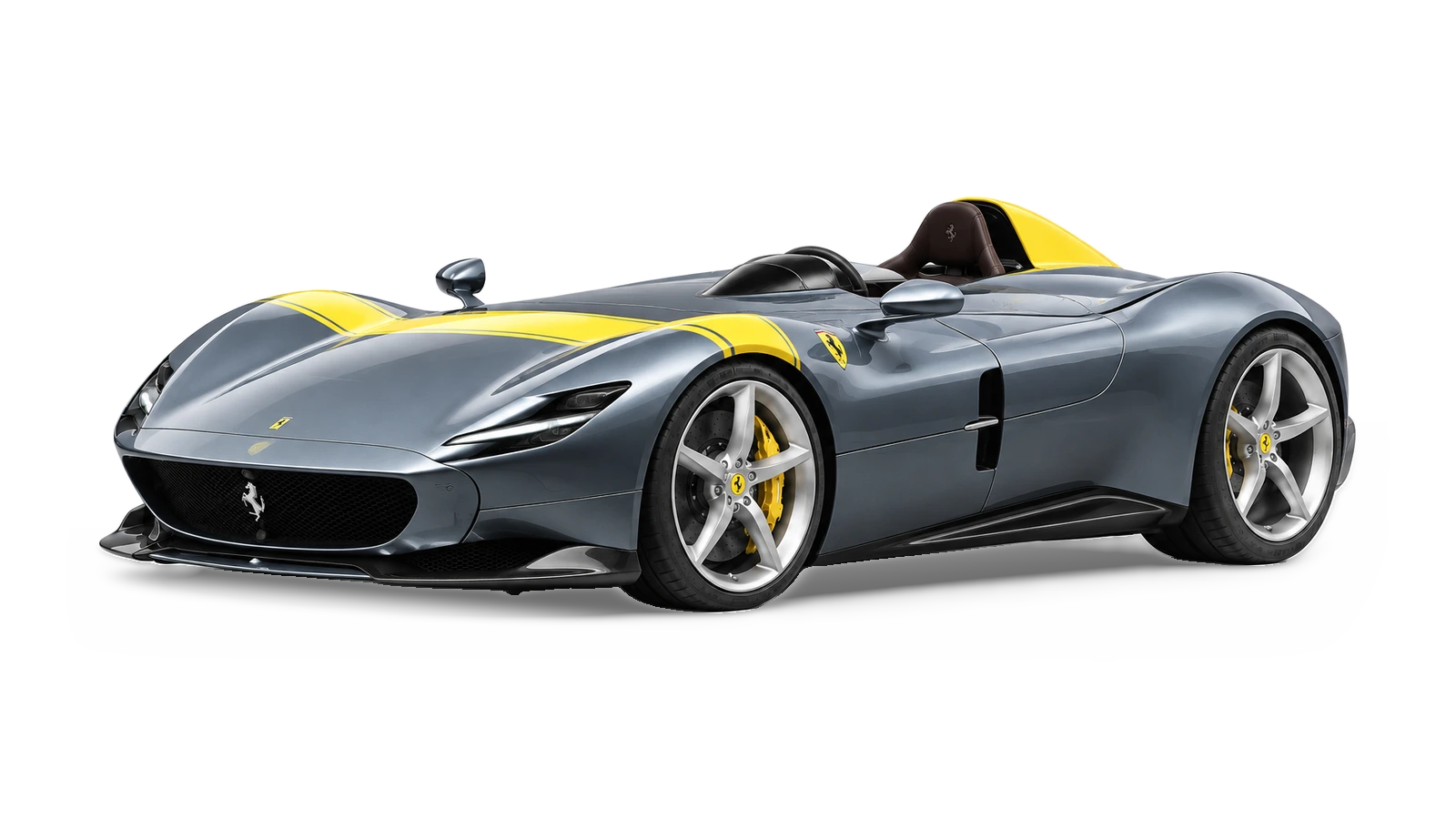
Ferrari Monza SP1
The Monza SP1 inaugurated Ferrari’s Icona philosophy as a radical single-seat barchetta inspired by the marque’s sports-racing heritage.
The SP1 is selected for its singular single-seat interpretation of the barchetta idea. Its fit within a collection depends on whether design, display or driving experience is the priority, with factory configuration and the completeness of associated equipment considered together.
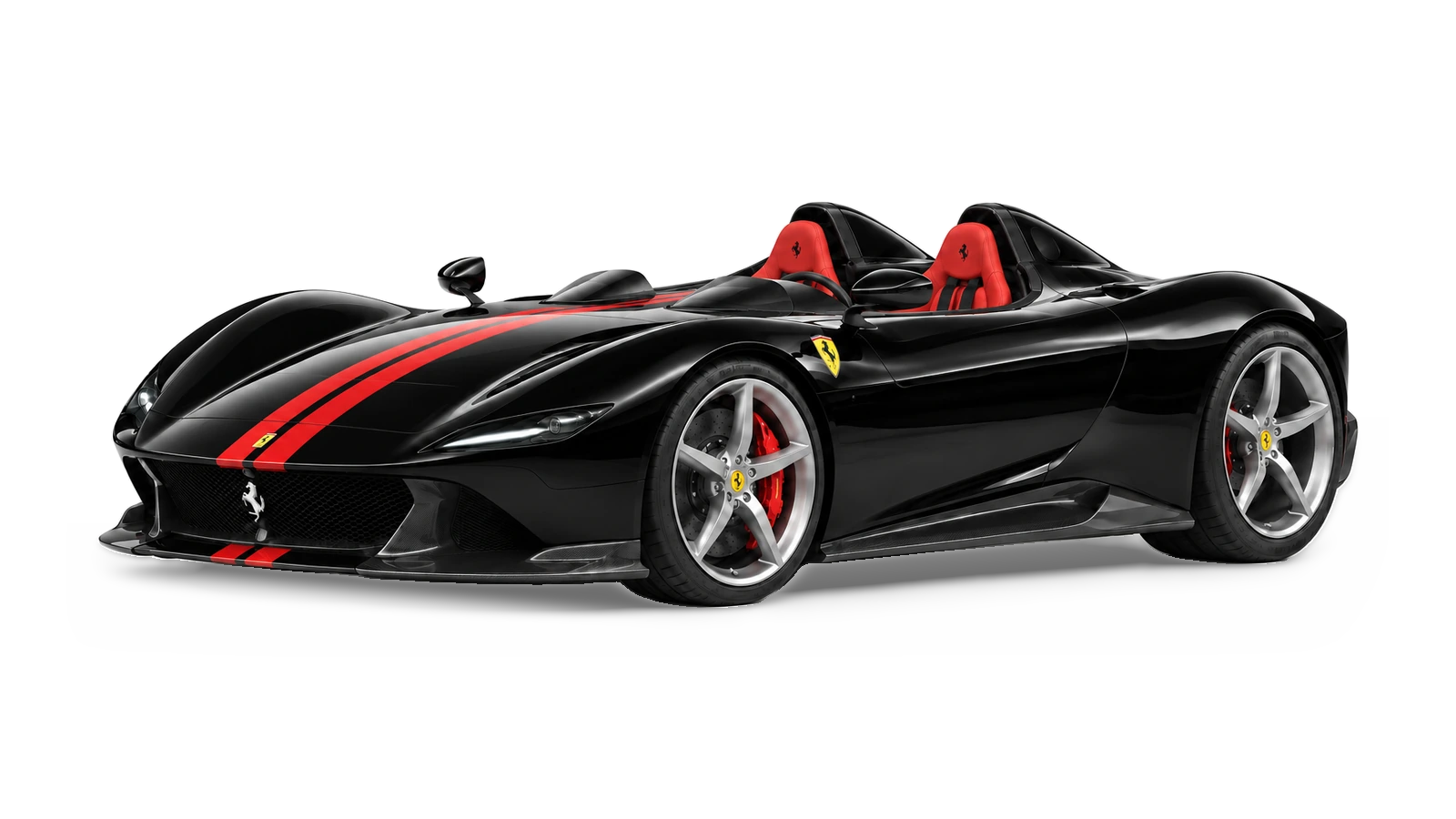
Ferrari Monza SP2
The Monza SP2 shares the first Icona generation with the SP1 but translates the barchetta concept into a two-seat configuration.
The SP2 provides the two-seat counterpart within the Icona selection. It offers a different collecting rationale from the SP1, so the decision should be guided by intended use and the individual specification, rather than treating the two as equivalent entries.
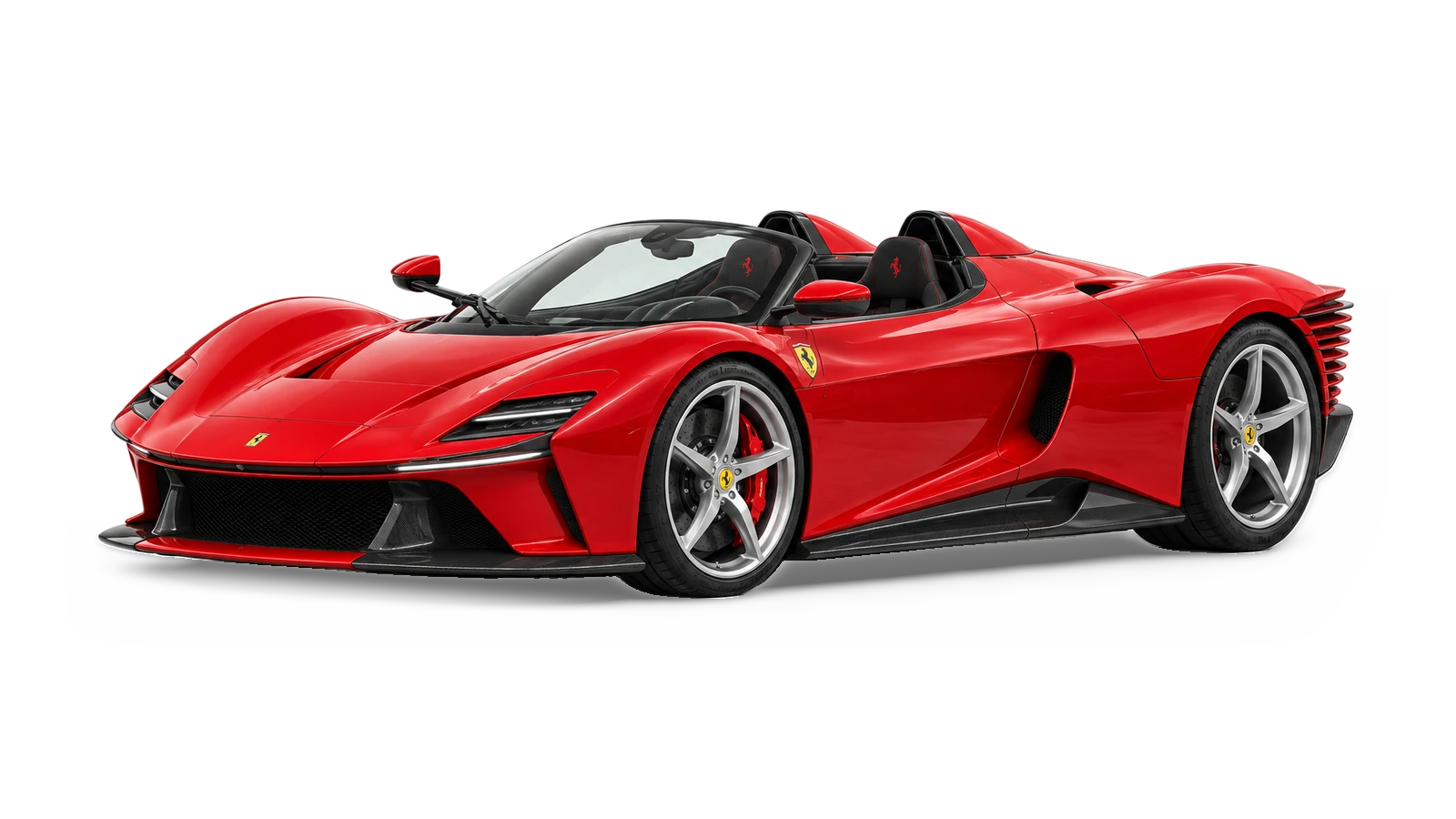
Ferrari Daytona SP3
The Daytona SP3 continues Ferrari’s Icona programme with a mid-engined V12 design inspired by the marque’s 1960s endurance-racing forms.
The Daytona SP3 brings a different silhouette and historical reference to the Icona group. Its relevance here is the conversation between Ferrari design heritage and contemporary execution, assessed through the configuration and documentation of the individual car.
Special Series
Four focused Ferrari derivatives, each selected for a distinct collector and technical story.
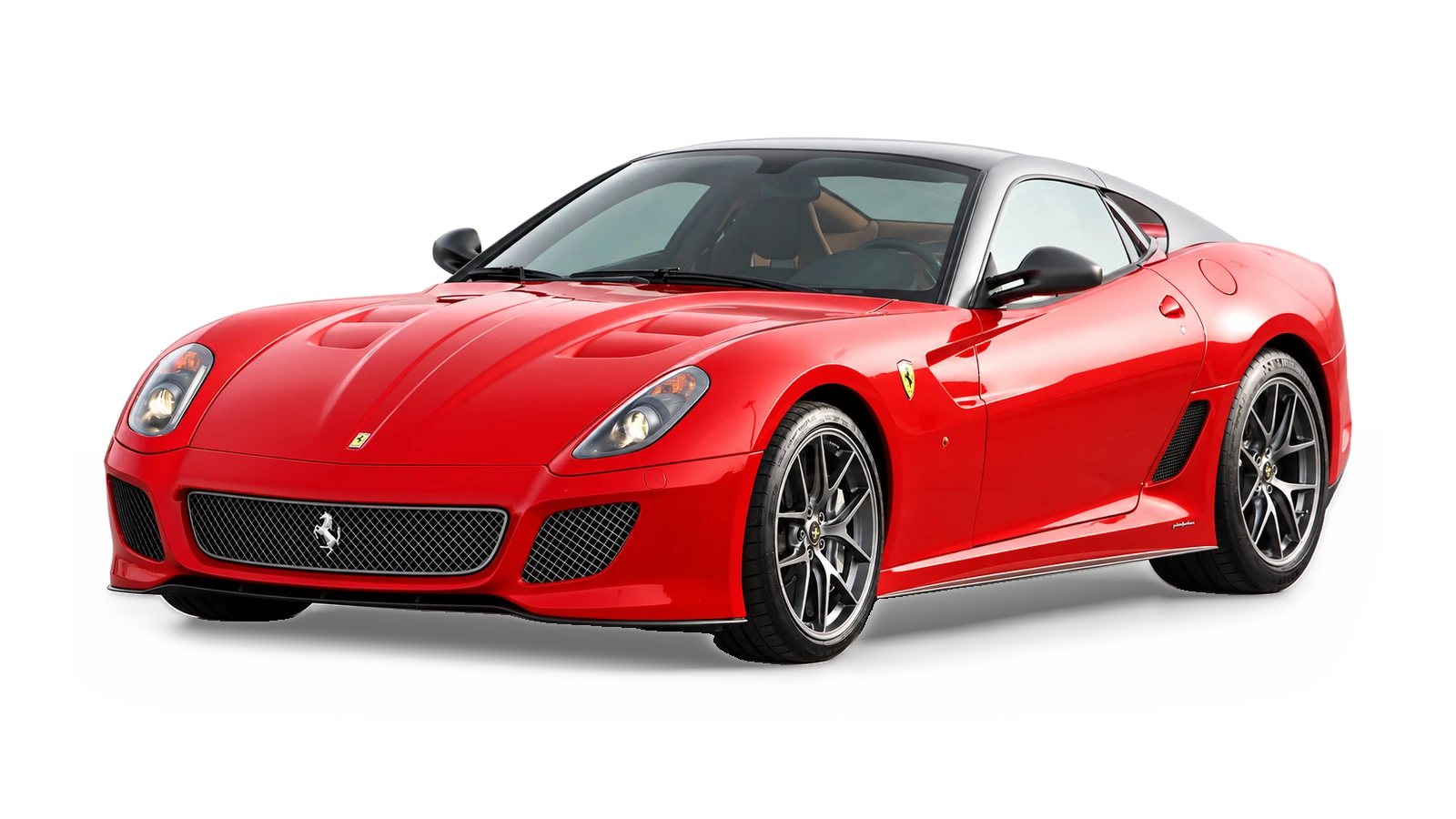
Ferrari 599 GTO
The 599 GTO brought lessons from the 599XX programme into a road-going, front-engined V12 Ferrari. It adds a modern GTO chapter with a markedly different character from the 250 and 288 GTO.
The 599 GTO earns its place here as a bridge between the GTO name and Ferrari’s later front-engined V12 special series. A buyer brief should distinguish an exceptionally preserved car from one used extensively on road or circuit. Confirm original configuration, accident and paint history, servicing, accompanying items and any Ferrari Classiche documentation on the individual chassis.
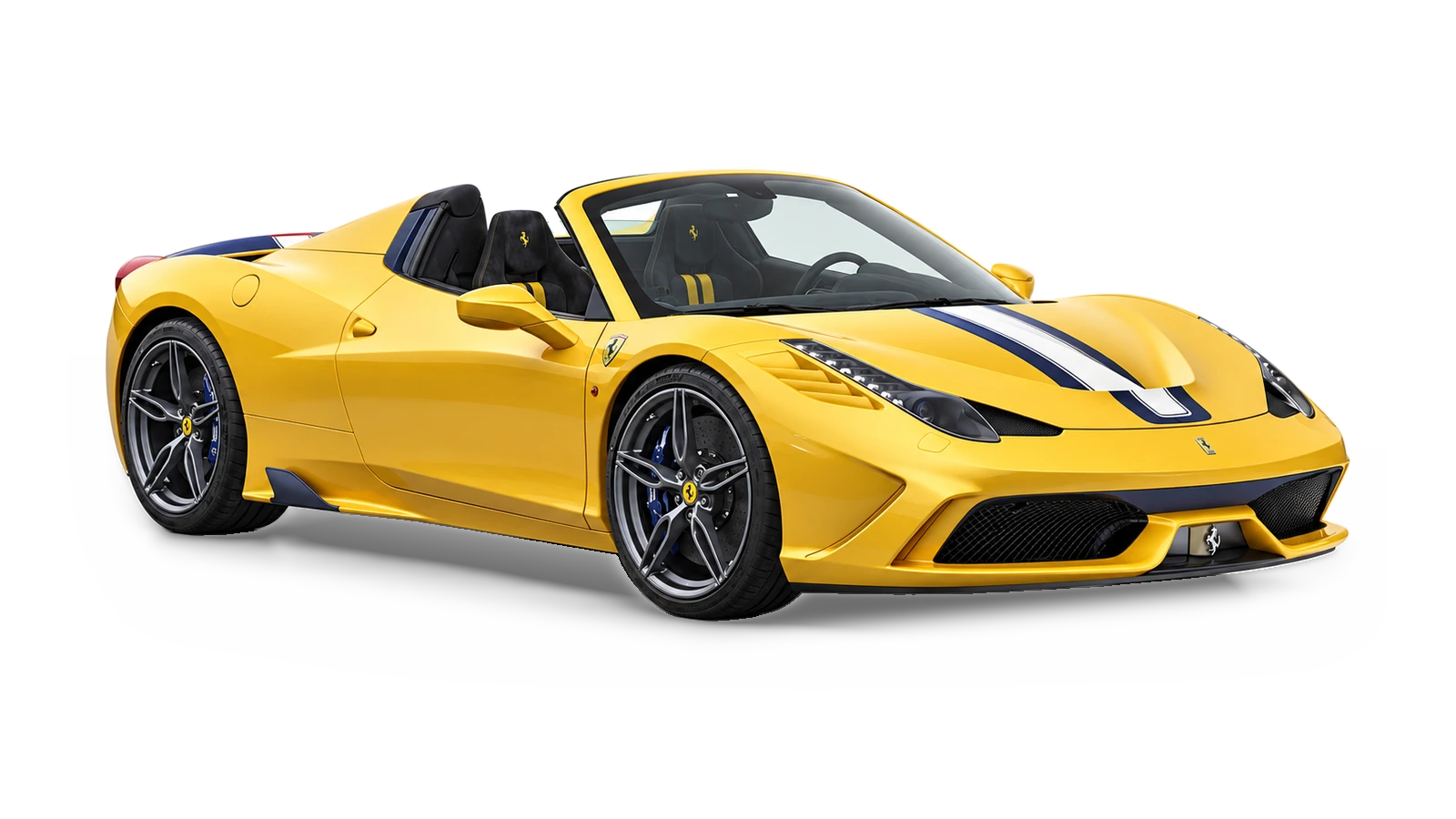
Ferrari 458 Speciale A
The 458 Speciale A brings the focussed character of the 458 Speciale to an open Ferrari V8. Its high-revving naturally aspirated engine gives it a distinct place before the subsequent turbocharged V8 generation.
This is the naturally aspirated V8 entry in the Special Series group, complementing the V12 and hybrid cars without repeating their collecting rationale. Review the retractable roof, factory options, exterior and interior originality, service and usage history, and the evidence behind mileage. Specialist examination should cover chassis, gearbox, engine and any track-related wear.
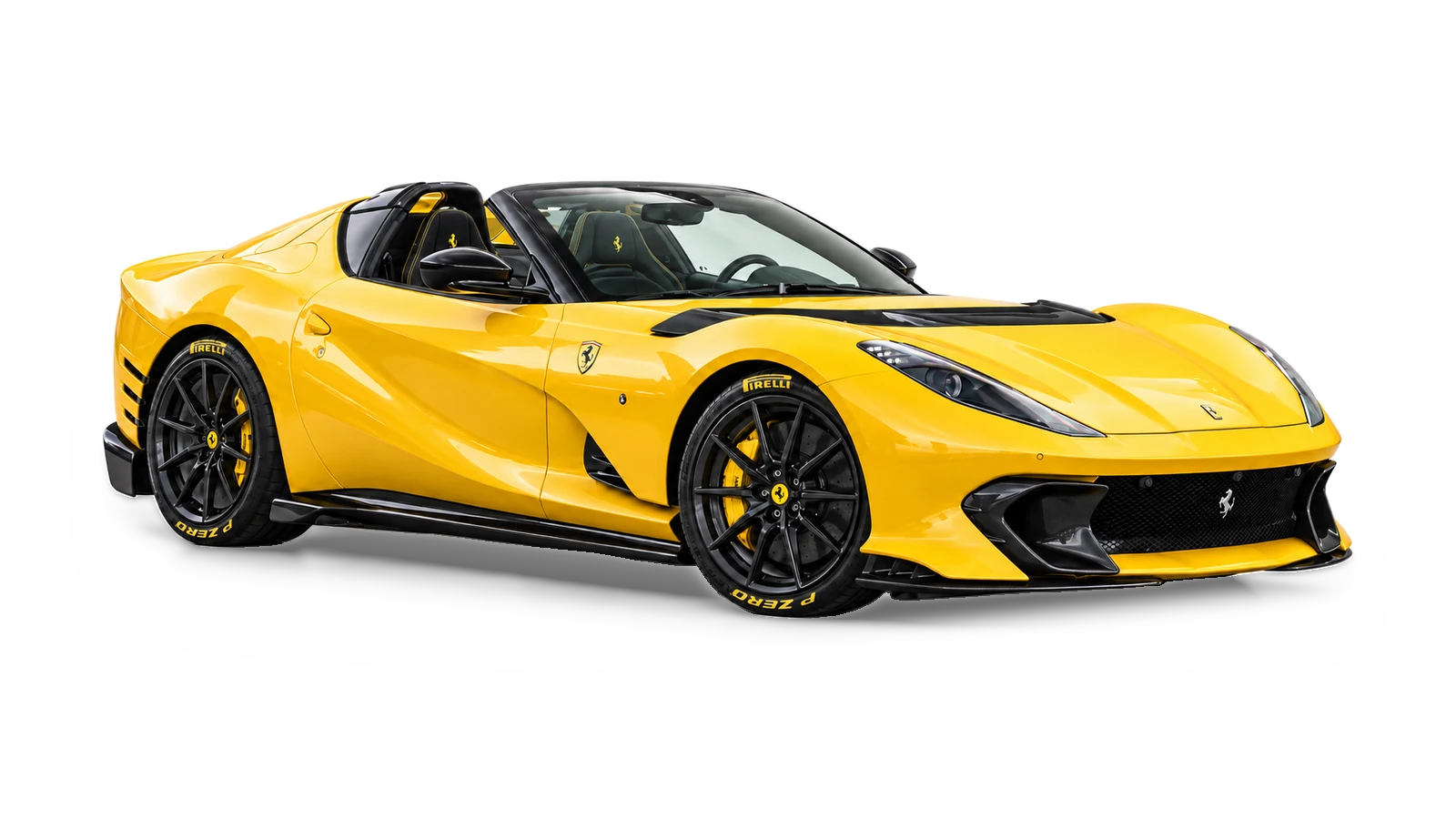
Ferrari 812 Competizione A
The 812 Competizione A interprets Ferrari’s 812 Superfast as an open, limited-series V12 with more focussed aerodynamics and a high-revving naturally aspirated engine.
Within this collection, the Competizione A shows how Ferrari developed its front-engined V12 formula after the 599 GTO, with a distinctly different open-air experience. Establish the original order specification, ownership and service chain, removable roof equipment, condition of aerodynamic components and evidence of any repair work. A specialist inspection should also reflect intended usage and the car’s current warranty status.
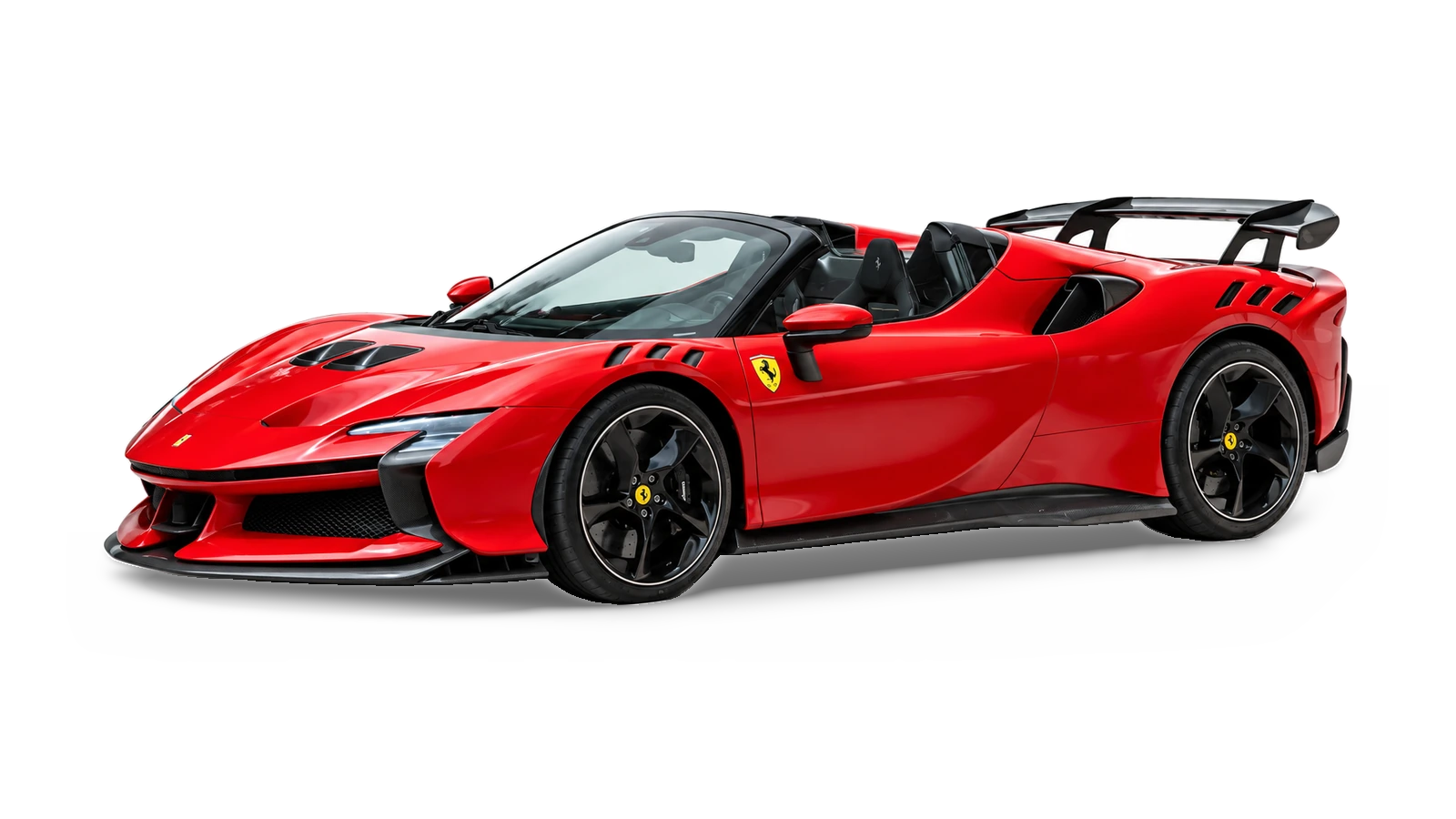
Ferrari SF90 XX Spider
The SF90 XX Spider translates Ferrari’s XX philosophy into a road-going open hybrid V8, bringing a new technical direction to the Special Series chapter.
The XX Spider closes this four-car selection with a hybrid perspective. It is a deliberate counterpoint to the naturally aspirated 458 and 812 and the earlier V12 599 GTO. Confirm ownership and allocation history, Ferrari service records, battery and hybrid-system condition, aerodynamics and underbody condition, factory options and any outstanding campaigns. Arrange model-specific technical diligence before a transaction.
Track-Only
Ferrari engineering beyond road homologation: the XX Programme and Sport Prototipi Clienti. These cars are designed for supported, non-competitive circuit use. Ownership, operating requirements and programme access should be considered together.
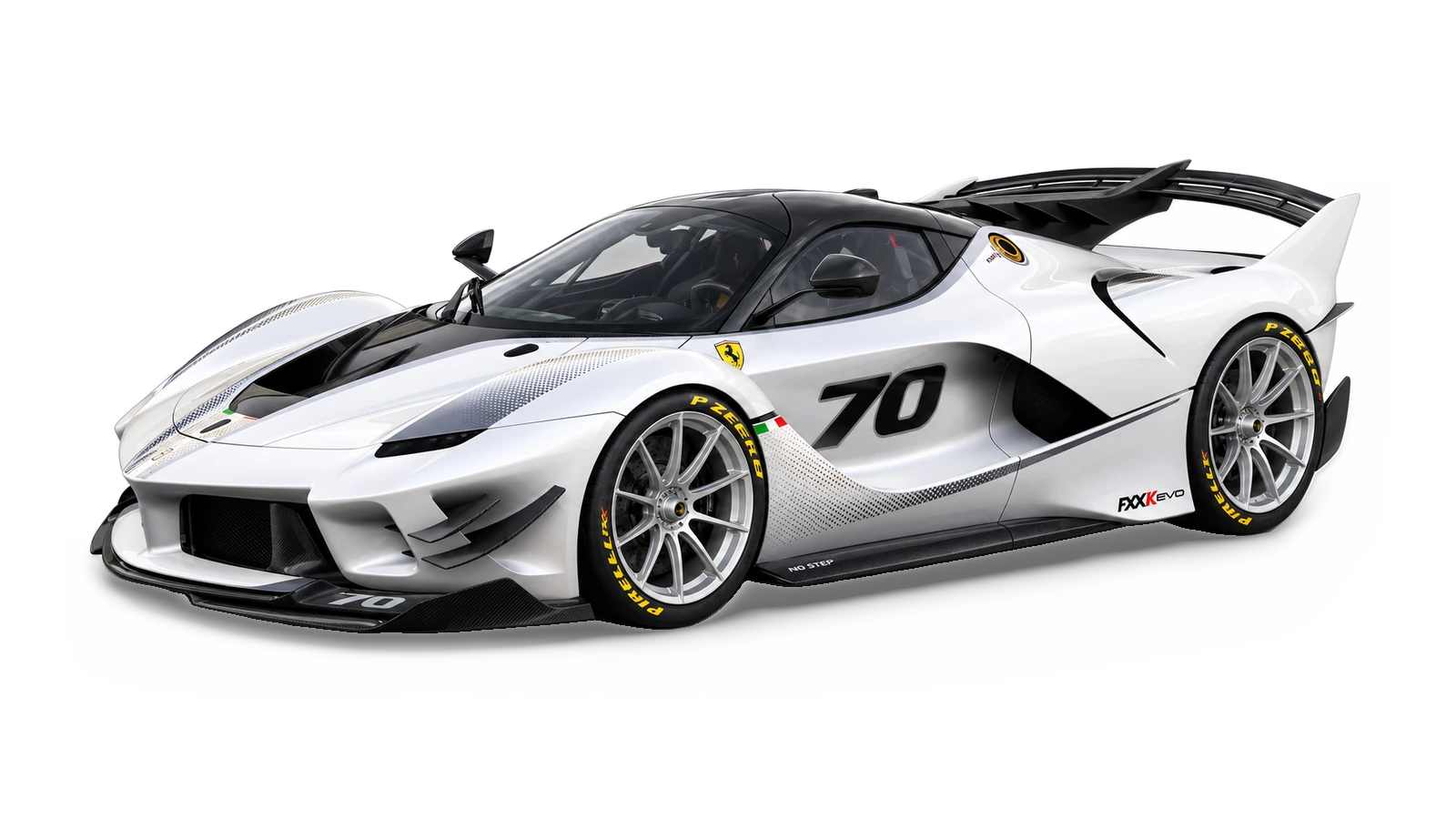
Ferrari FXX-K Evo
The FXX-K Evo takes Ferrari’s LaFerrari-derived hybrid architecture into an uncompromising track-only laboratory, combining a naturally aspirated V12 with an extensively developed aerodynamic package.
The FXX-K Evo connects Ferrari’s modern road-car supercar lineage with the XX Programme. It belongs here for its V12 hybrid character and experimental aerodynamic development, rather than as another road-going Special Series derivative. Factory configuration, running history and Ferrari support arrangements define the individual acquisition brief.
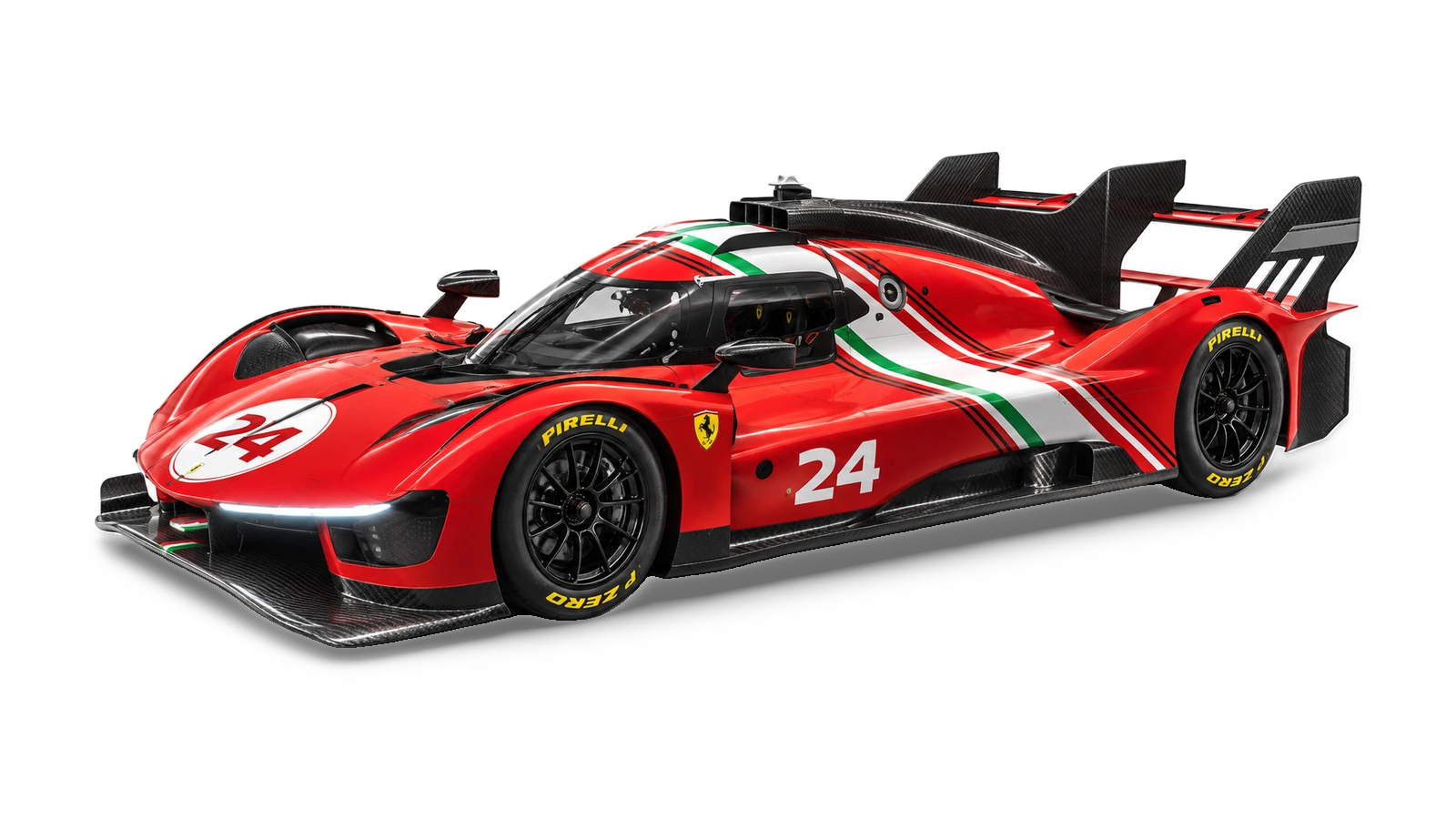
Ferrari 499P Modificata
The 499P Modificata brings Ferrari’s Le Mans-winning sports-prototype architecture to selected private customers for non-competitive circuit use, free from the racing car’s technical-regulation limits.
The 499P Modificata adds an endurance-prototype perspective to Ferrari collectorship. Its appeal is the relationship between competition engineering and a supported customer driving experience, distinct from the LaFerrari-derived XX cars. Factory configuration, running history and Ferrari support arrangements define the individual acquisition brief.
Build the collection
Atelier Grand Slam considers buyer mandates for individual automobiles and, where appropriate, the considered assembly of a complete marque lineage. Every search is subject to owner willingness, availability, diligence and client-defined parameters.
Private representation
A private brief, shaped around you.
Discuss an acquisition or the confidential sale of a significant automobile.